The Mezcal

In the lands of Oaxaca, Mexico, the history of mezcal is woven between the roots of pre-Columbian culture and the art of distilling. Emerging before the arrival of the Spanish, mezcal was forged with the fusion of European techniques and indigenous practices. Oaxaca, a cradle of tradition, saw mezcal evolve from a local practice to a structured industry. Although an exact date of discovery is lacking, it is believed that indigenous peoples began fermenting and distilling agave more than 400 years ago.

The agave, a hardy plant that grows in the arid regions of Mexico, was revered by these civilizations for both its nutritional and spiritual properties. The fermentation of the juice extracted from the agave pineapple led to the discovery of mezcal, a beverage that quickly acquired ritual and cultural significance.

Our Story

How It All Began

pexels-photo-10039978
AWARDS
crafts people
old-smiling-man-winery-1

Bruno Rossi

Founder & Owner

man-winery-1

Fillipe Moratti

Executive Director

Smiling vintner examining grapes in vineyard

Agatha Rossi

Senior Winemaker

smiling-african-girl-vineyard-1

Ella Campo

Viticulture Manager

Knowing

The Process

The production of Espadín mezcal follows traditional methods deeply rooted in Mexican culture, highlighting the absence of chemicals in the process.

1967

Growing and harvesting

The Espadín agave (Agave angustifolia) takes 6 to 8 years to mature. Once ready, the leaves are cut to reveal the piña (the heart of the agave), which is then harvested.

1968

Cooking

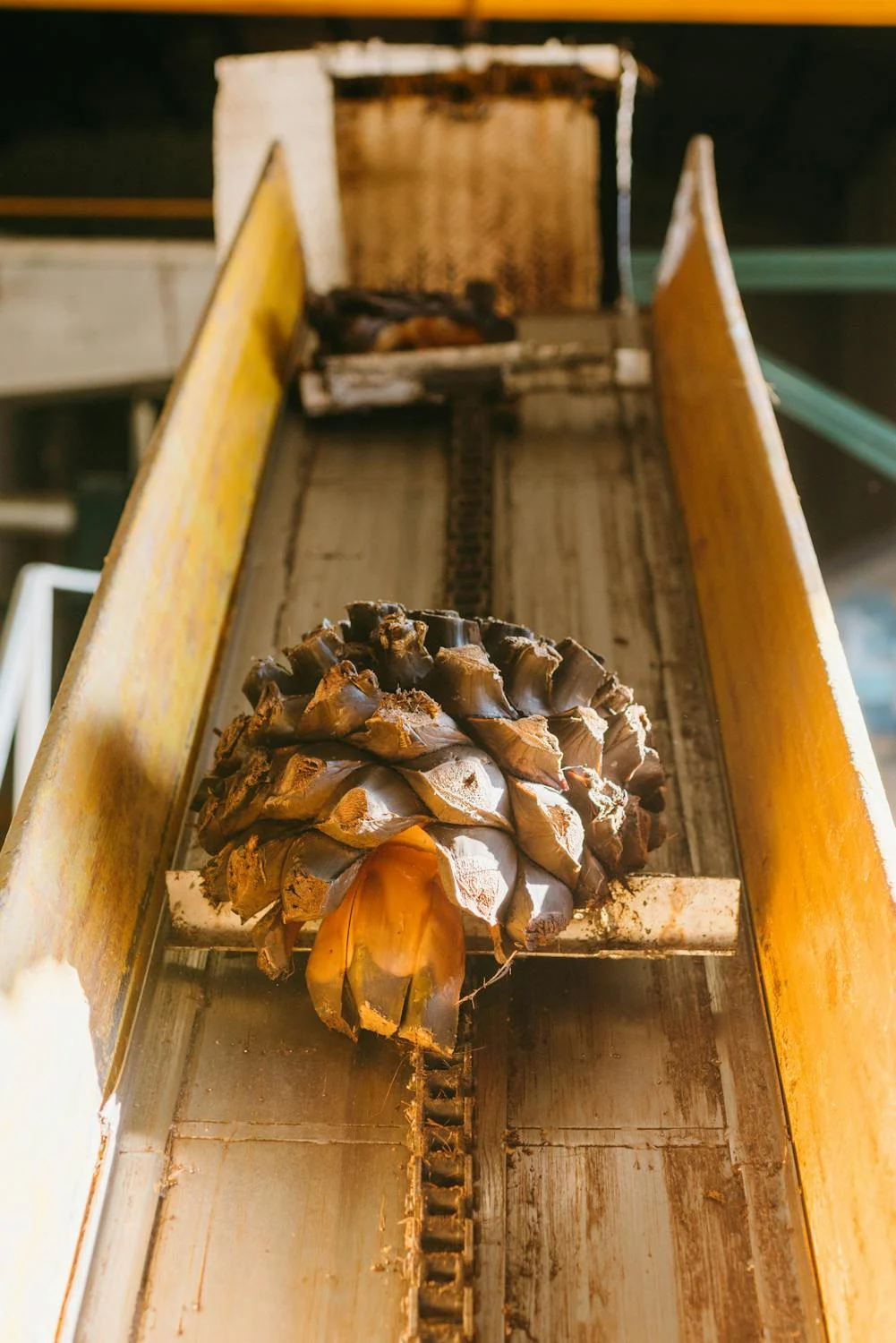
The pineapples are toasted in a clay pit lined with wood and volcanic rock. This traditional cooking method, which lasts several days, caramelizes the sugars in the pineapple, creating the distinctive smoky flavor of the mezcal.

late 70-ies

Mill

After roasting, the piñas are crushed to extract the agave juice. Traditional mezcal production uses a stone wheel (tahona) or manual methods to crush the cooked agave.

1979

Fermentation

The extracted juice is fermented naturally with wild yeasts, converting the sugars into alcohol. This step varies over time depending on environmental factors and influences the flavor profile.

80-ies

Distillation

The fermented agave juice is distilled, usually in clay or wood stills, which contributes to the unique flavor of the mezcal. The alcohol content is adjusted by this distillation process, which is often done twice to refine the mezcal to the desired concentration, usually above 45% ABV for ancestral mezcals.

1979

Rest (optional)

Some mezcals, such as reposado or añejo, are aged in wooden barrels to further develop their flavors, but Espadín Joven is generally bottled immediately after distillation.

No chemicals are used throughout this process. The emphasis is on natural and traditional methods, from natural yeasts in fermentation to the use of organic materials in cooking and distillation. The mezcal industry, particularly the artisanal and ancestral categories, prides itself on these natural processes, which guarantee the authenticity and heritage of the distillate.

This natural method of production, coupled with the artisanal approach, not only preserves the cultural tradition of mezcal making, but also appeals to consumers seeking organic and artisanal spirits.

Growing and harvesting

The Espadín agave (Agave angustifolia) takes 6 to 8 years to mature. Once ready, the leaves are cut to reveal the piña (the heart of the agave), which is then harvested.

Cooking

The pineapples are toasted in a clay pit lined with wood and volcanic rock. This traditional cooking method, which lasts several days, caramelizes the sugars in the pineapple, creating the distinctive smoky flavor of the mezcal.

Mill

After roasting, the piñas are crushed to extract the agave juice. Traditional mezcal production uses a stone wheel (tahona) or manual methods to crush the cooked agave.

Fermentation

The extracted juice is fermented naturally with wild yeasts, converting the sugars into alcohol. This step varies over time depending on environmental factors and influences the flavor profile.

Destillation

The fermented agave juice is distilled, usually in clay or wood stills, which contributes to the unique flavor of the mezcal. The alcohol content is adjusted by this distillation process, which is often done twice to refine the mezcal to the desired concentration, usually above 45% ABV for ancestral mezcals.

Rest (optional)

Some mezcals, such as reposado or añejo, are aged in wooden barrels to further develop their flavors, but Espadín Joven is generally bottled immediately after distillation. No chemicals are used throughout this process.

The emphasis is on natural and traditional methods, from natural yeasts in fermentation to the use of organic materials in cooking and distillation. The mezcal industry, particularly the artisanal and ancestral categories, prides itself on these natural processes, which guarantee the authenticity and heritage of the distillate. This natural method of production, coupled with the artisanal approach, not only preserves the cultural tradition of mezcal making, but also appeals to consumers seeking organic and artisanal spirits.

sustainability

As part of the agricultural industry, we fully depend on our surrounding, just as it depends on us. That’s why we grow our produce organically and sustainably. Over the past decades the carbon footprint of the winery has been positive, which is something we’re really proud of.

As part of the agricultural industry, we fully depend on our surrounding, just as it depends on us. That’s why we grow our produce organically and sustainably. Over the past decades the carbon footprint of the winery has been positive, which is something we’re really proud of.